Cooperation between the Ministry of Finance and EU4PFM brings Ukraine significantly closer to full EU membership – partners review 2025 results
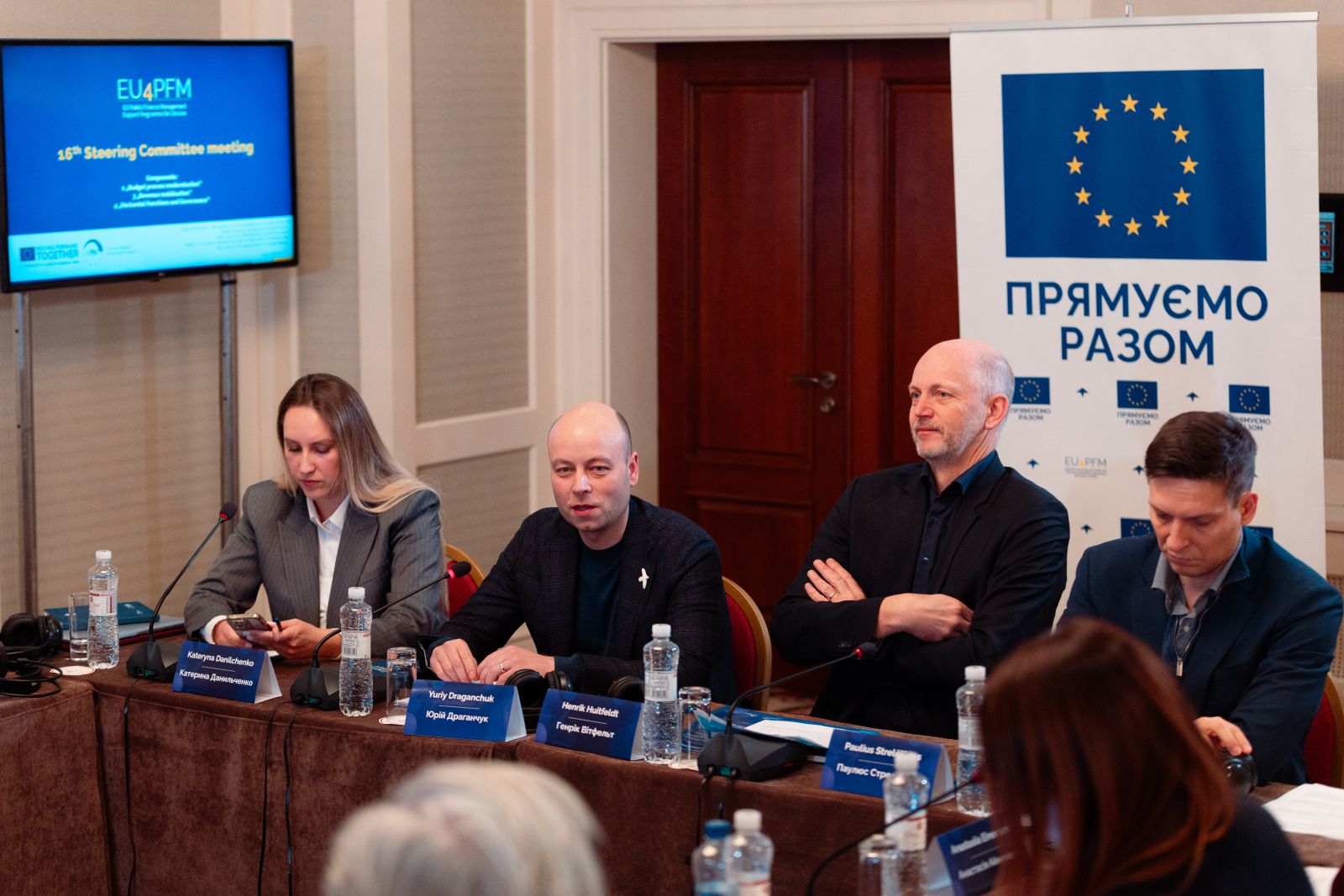
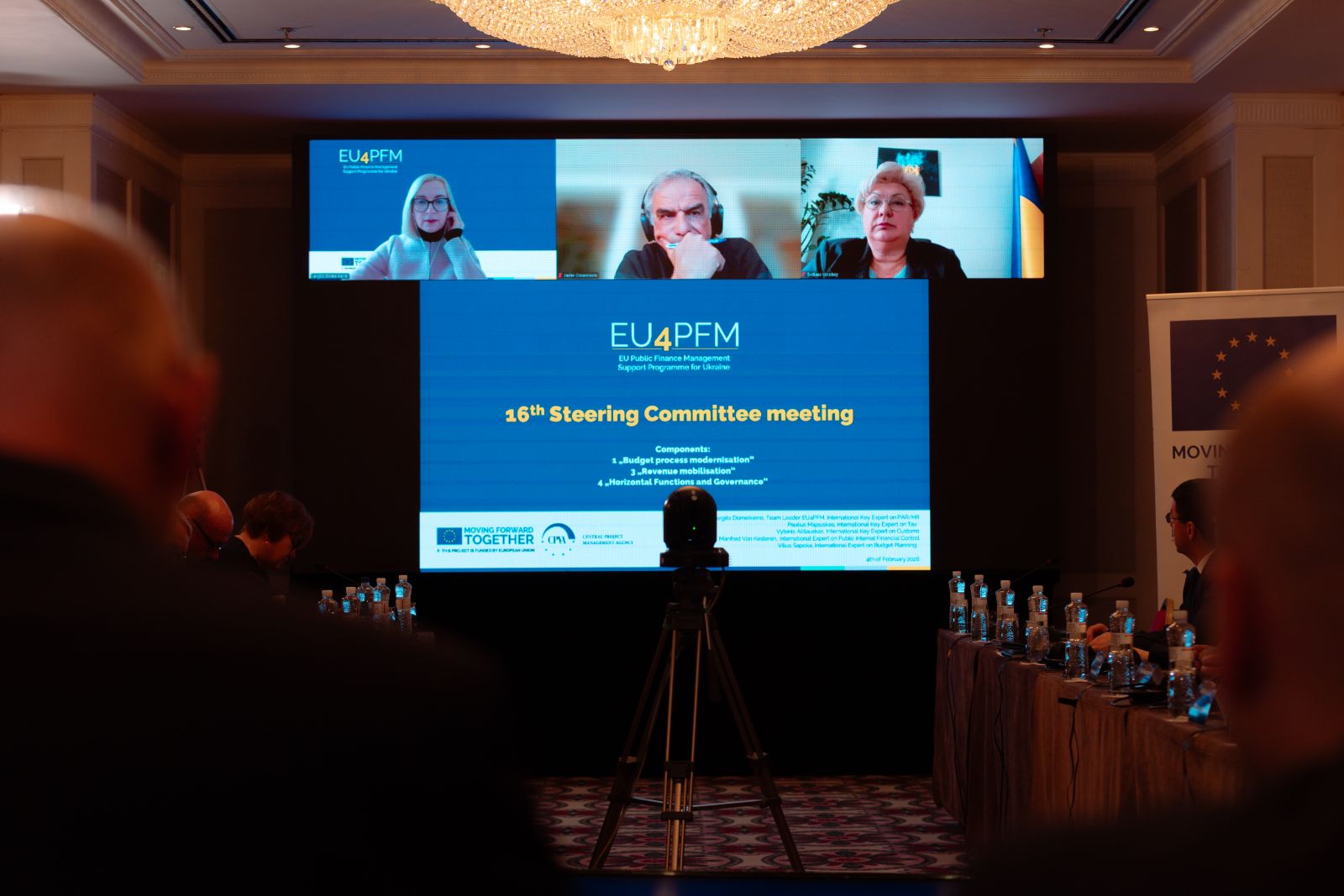
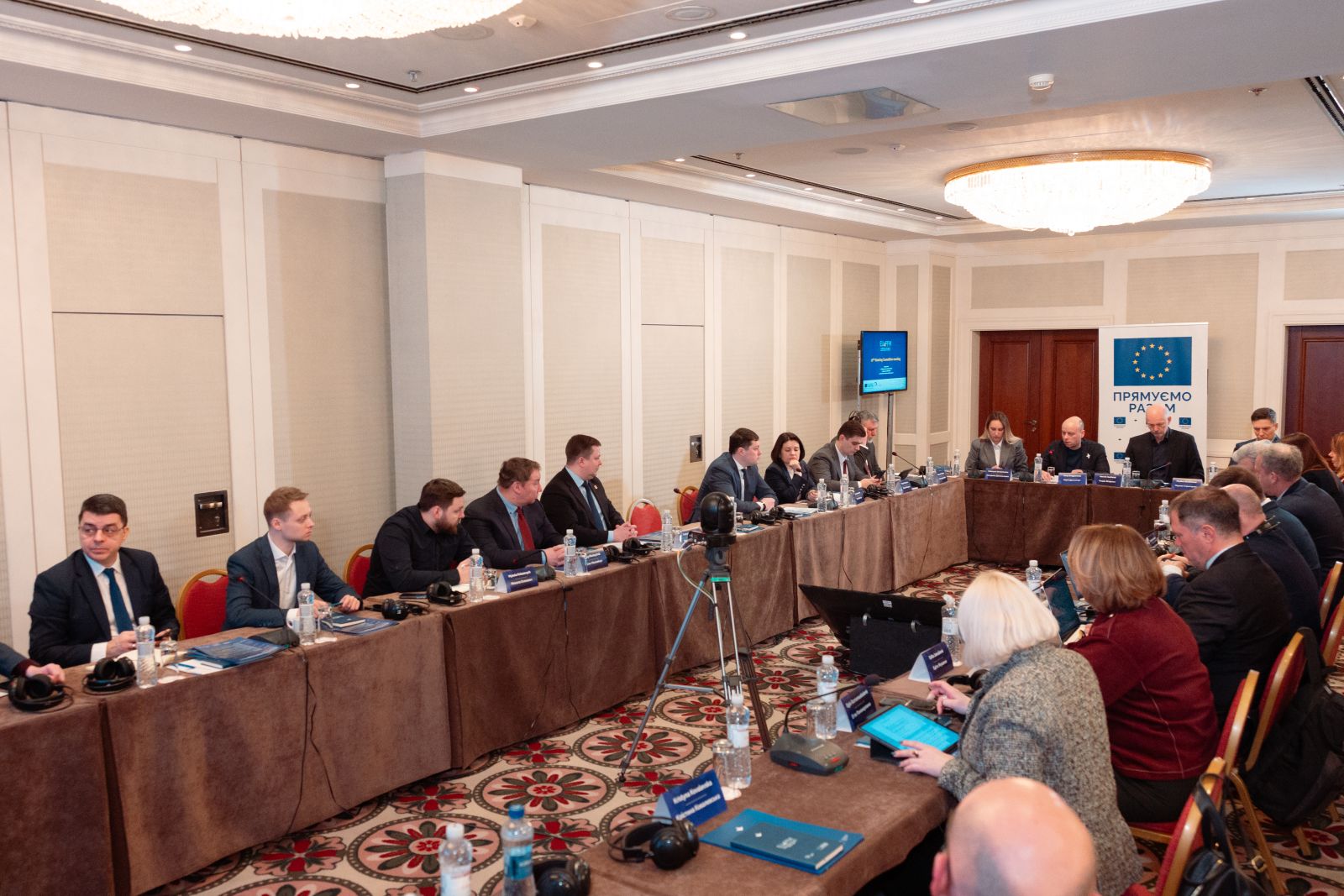
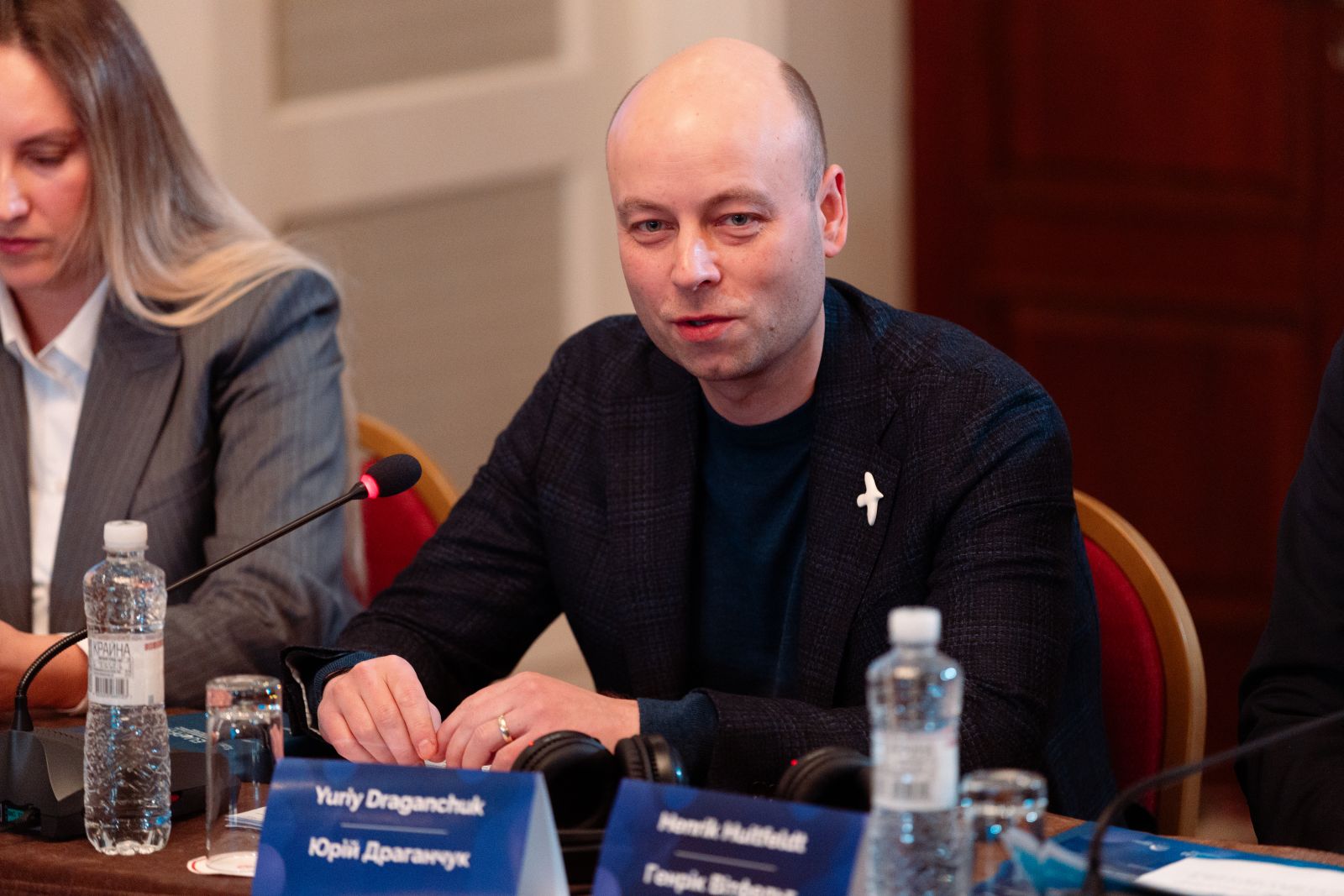
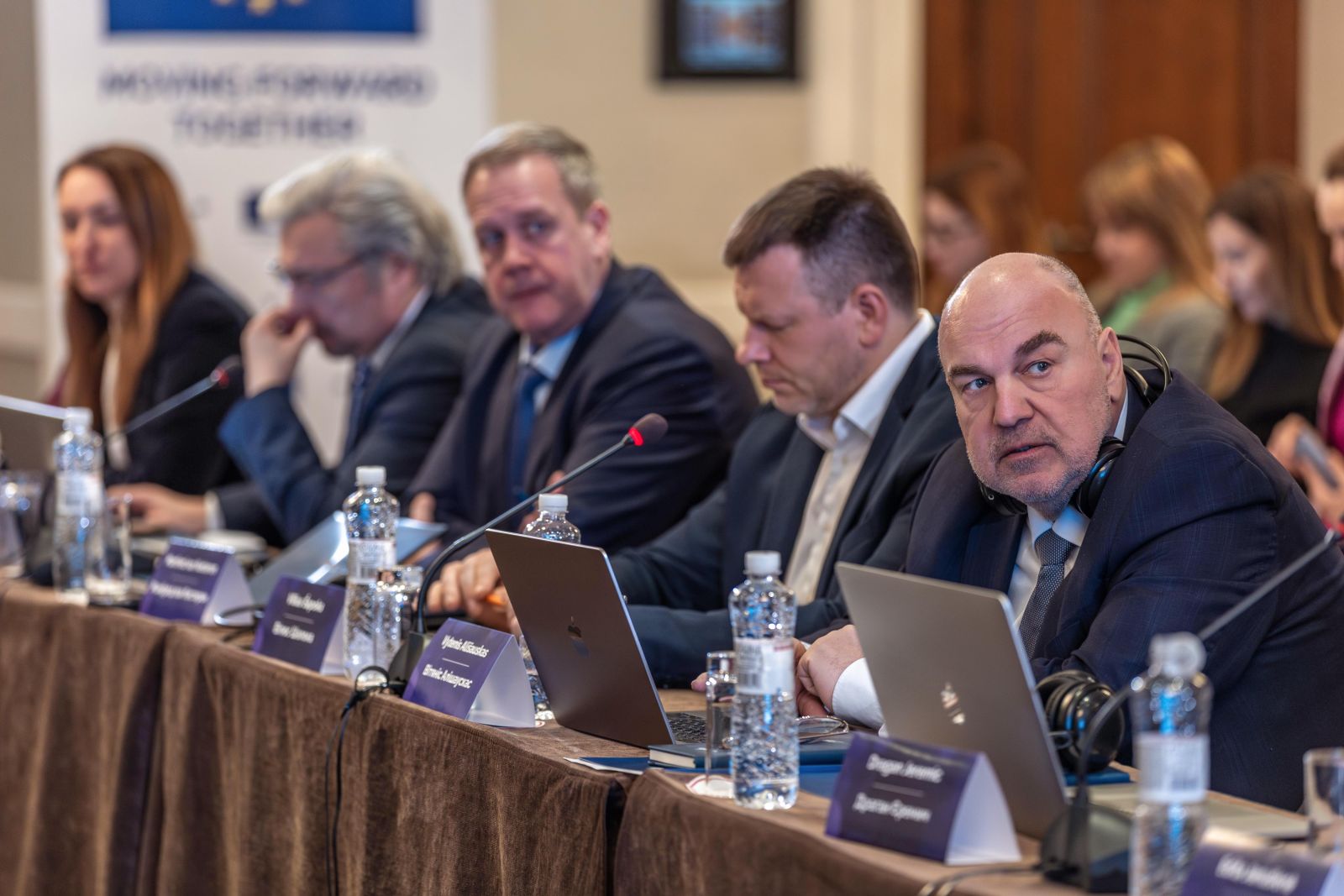
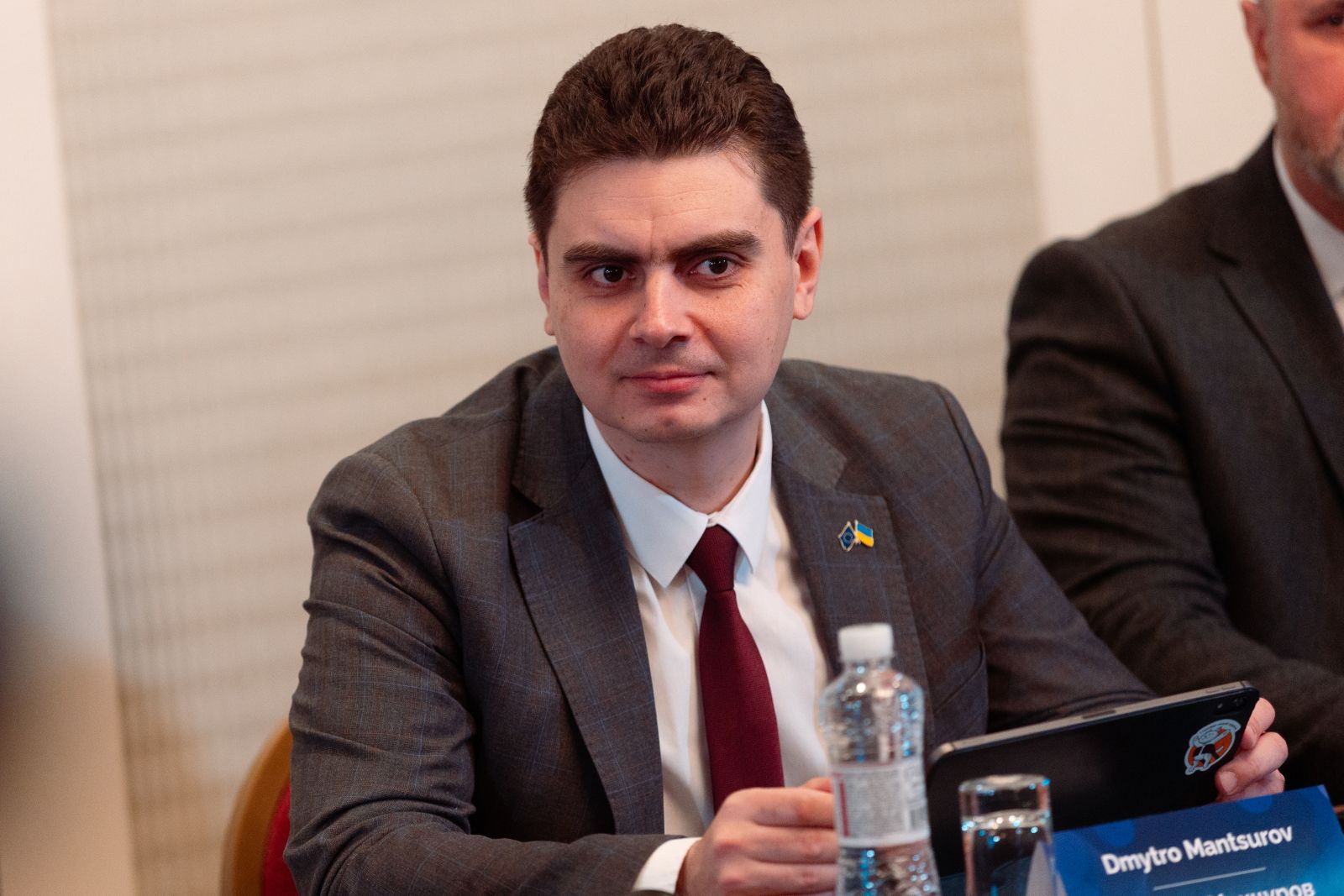
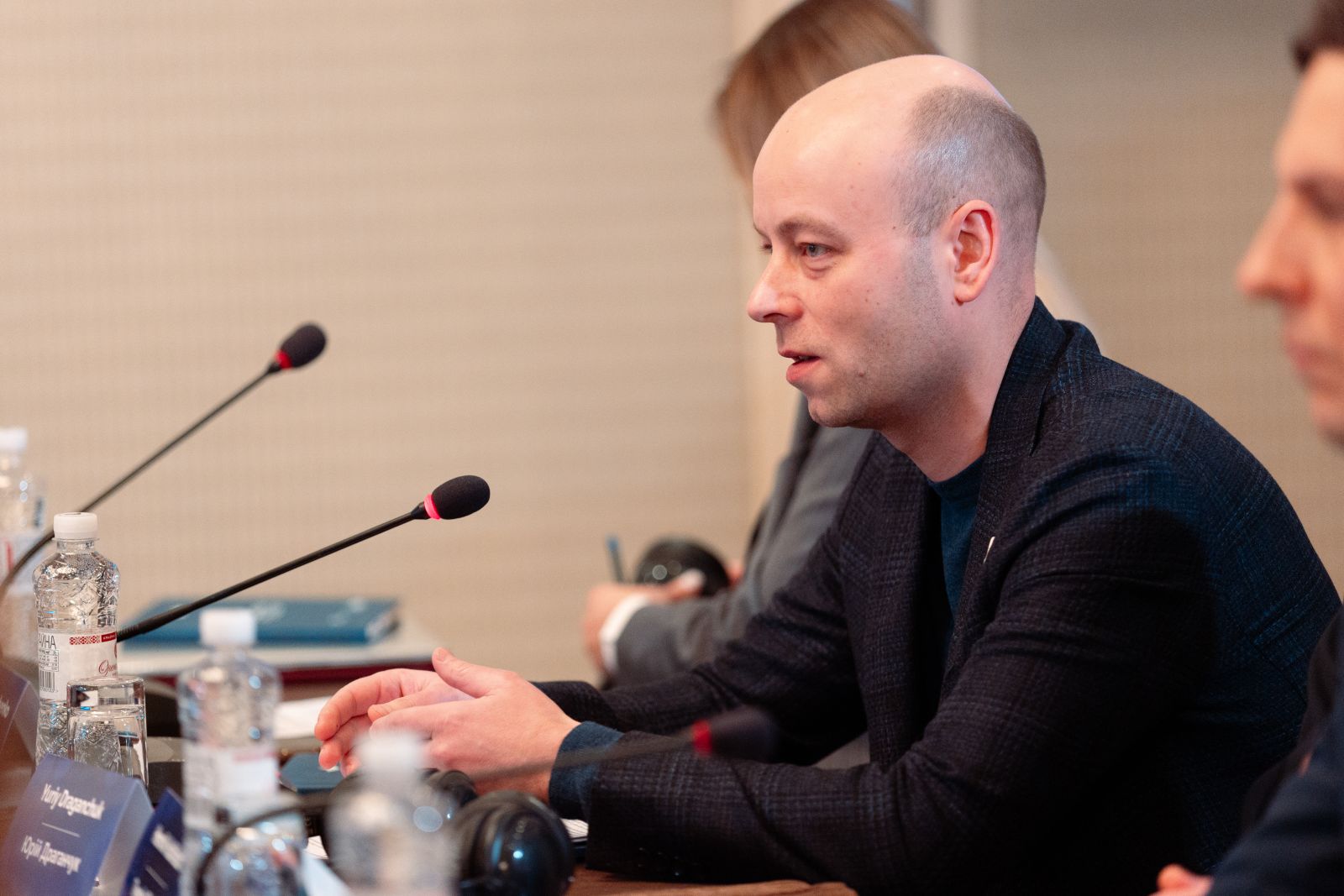
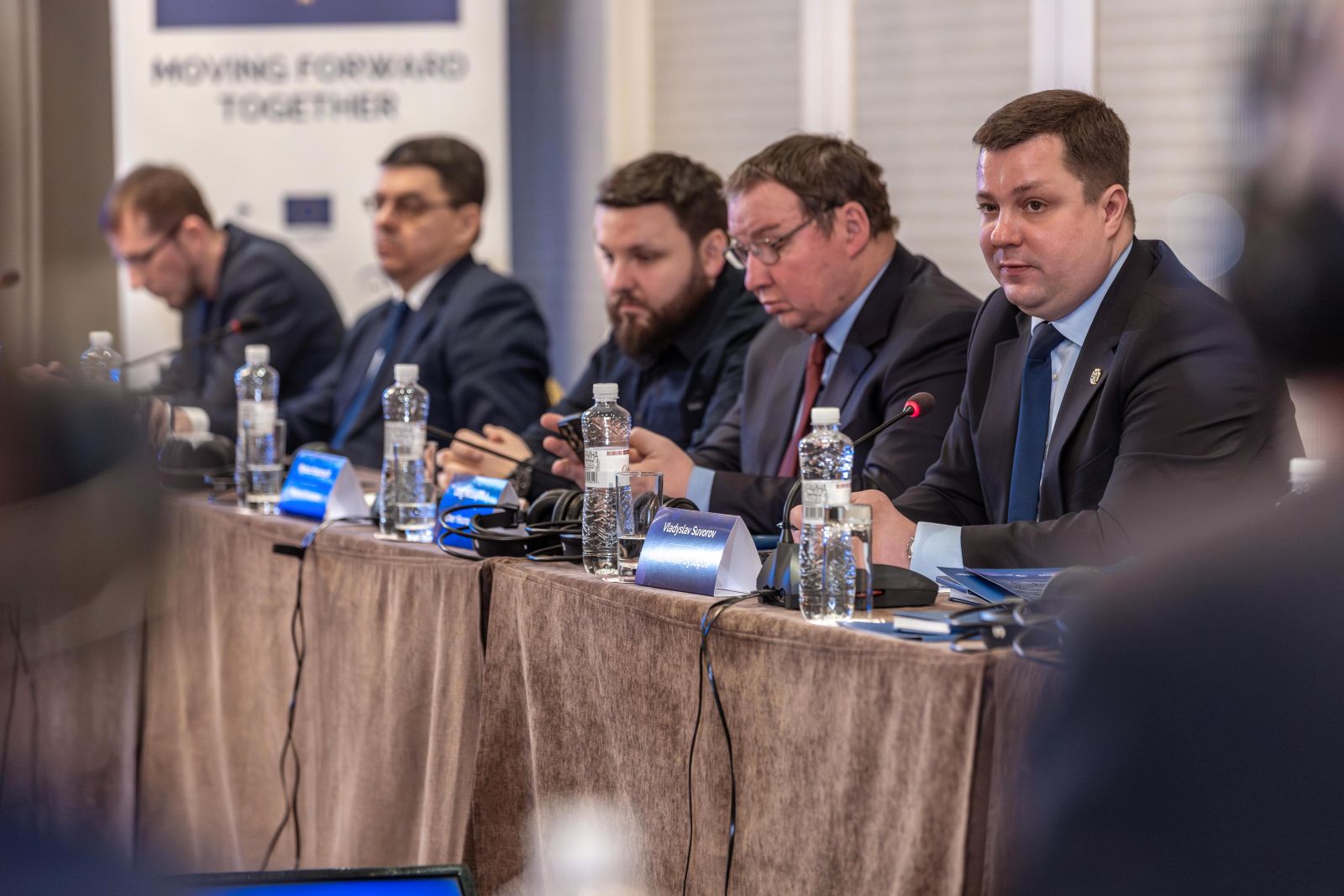
On 4 February, representatives of the Ministry of Finance of Ukraine took part in the 16th meeting of the Steering Committee of the Programme for Public Finance Management Support in Ukraine (EU4PFM) – a key European partner supporting Ukraine’s reform agenda and European integration efforts.
“Despite the war, Ukraine remains committed to its European course and continues its consistent progress towards EU membership. Since the beginning of the full-scale invasion, the support of the European Union has been crucial for maintaining the sustainability of public finances and financing the country’s critical needs. Significant progress in reforms, particularly in areas under the responsibility of the Ministry of Finance, has been achieved thanks to close cooperation with the European Commission and the EU4PFM Programme. We view the continuation of this cooperation as strategically important – not only for Ukraine’s recovery, but also for the security and stability of Europe as a whole,” said Yuriy Draganchuk, Deputy Minister of Finance of Ukraine for European Integration, in his welcoming remarks to the participants of the meeting.
Henrik Huitfeldt, Head of Sector for Public Finance, Business Support and Social Policies at the EU Delegation to Ukraine, noted that preparations for the next phase of the Programme are currently being completed, reinforcing the EU’s commitment to providing sustained support to Ukraine over the next three years. He also welcomed the adoption of the Public Finance Management Strategy and reaffirmed the EU’s continued support for reforms.
In turn, Jurgita Domeikiene, Team Leader of Components 1, 3, and 4 of the EU4PFM Programme, thanked the Ukrainian partners for their resilience and dedication in the face of ongoing russian aggression and noted:
“During the reporting period, we supported our partners – the Ministry of Finance, the State Tax Service, and the State Customs Service in the screening process and the preparation of negotiating positions for the ‘Taxation,’ ‘Customs Union,’ ‘Own Resources,’ and ‘Financial Control’ Chapters. Additionally, EU4PFM experts contributed to the development of the National Programme for the Adaptation of Ukrainian Legislation to the EU acquis. Our work focused on defining the Programme’s strategic goals based on the Enlargement Report, screening results, and key EU documents across all areas of our activity.”
Results of joint activities
During the meeting, the partners presented the results of the joint work of the Ministry of Finance and EU4PFM in 2025, including in the customs area. This included systematic work on customs reform, primarily the harmonisation of Ukrainian customs legislation with EU law, which enabled Ukraine to successfully complete the screening of its customs legislation for compliance with EU standards under Chapter 29 Customs Union. The results also included:
-
development of the draft new Customs Code of Ukraine (new version) – preparation for Government approval and assessment by European Commission experts;
-
launch of the development of the NCTS Phase 6 system;
-
institutional development of the State Customs Service;
-
digitalisation and development of customs IT systems.
The discussion also covered progress on finalising the draft law on countering tax avoidance (ATAD), the implementation of the SAF-T IT solution (e-audit), and the development of the Public Finance Management Strategy for 2026–2030.
Taxation remains one of the key areas of the European integration process, as it directly affects the economy, transparency and public trust. Svitlana Vorobei, Deputy Minister of Finance of Ukraine, noted that with the expert support of the EU4PFM Programme, Ukraine successfully completed the official screening under negotiation Chapter 16 Taxation, confirming the institutional capacity of the state to move forward in EU accession negotiations.
In addition, the Programme’s contribution to enhancing tax transparency, international exchange of tax information, and preparation for the implementation of the DAC 7 Directive was highlighted.
Representatives of the Ministry of Finance expressed their gratitude to the EU4PFM team for its long-standing and results-oriented partnership and emphasised the importance of expert support in fulfilling Ukraine’s obligations as an EU candidate country.
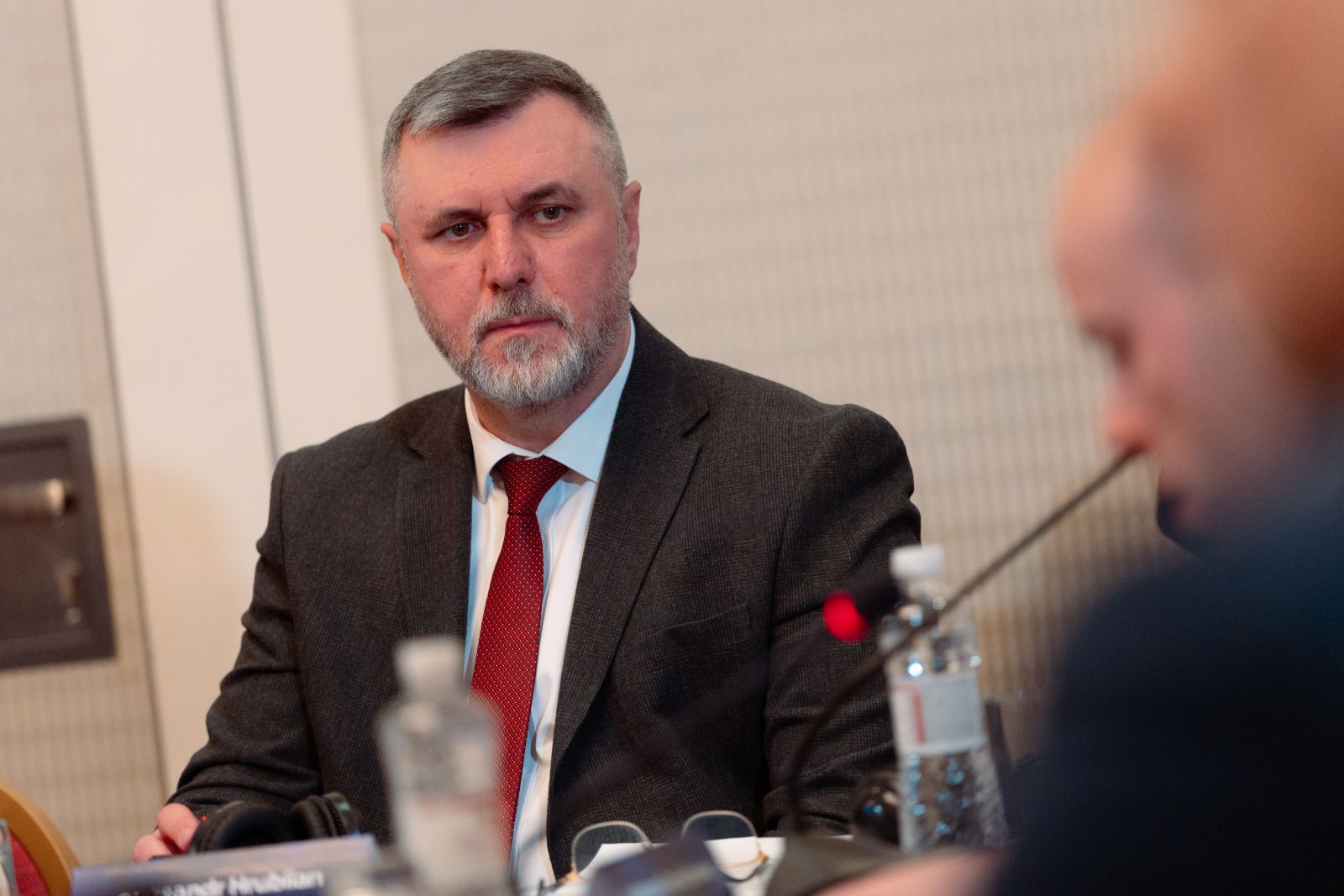
“In the darkest times, EU4PFM support became a real digital and energy shield for the Ministry of Finance – helping to protect data, ensure business continuity and remain operational even during blackouts. We did not merely preserve the system – we continued reforms, digitalisation and our progress towards the European Union. This is yet another confirmation that supporting Ukraine today is an investment in the security, resilience and future of Europe as a whole,” said Oleksandr Hrubiian, Deputy Minister of Finance of Ukraine for Digital Development, Digital Transformations and Digitalisation.
Future priorities
The participants outlined key areas for further cooperation.
In the area of budget policy and internal control, the focus will be on strengthening the Ministry of Finance’s capacity in EU-aligned budgeting, continuing the knowledge transfer process launched in 2024 that will cover the Ministry’s key departments, and launching pilot projects in selected main spending units under the Public Finance Management Strategy for 2026–2030, which will enable improved practical application of budget legislation.
In the area of public internal financial control, the Ministry of Finance, together with EU4PFM, plans to complete the pilot project at the Ministry of Justice and continue the implementation of best international practices. A key ongoing task remains the harmonisation of national internal audit standards with the updated Global Internal Audit Standards.
Tax and customs reforms. In the tax area, the priority for 2026 is the alignment of national legislation with EU law within the timelines set out in the relevant strategic documents. Partners will continue to support the development of competencies to ensure compliance with EU technical regulations, as well as the implementation of IT solutions that are mandatory for Ukraine’s accession to the EU.
In the customs area, the key objectives for the coming year include finalising the new Customs Code and agreeing on a roadmap for the development and timely launch of the required IT systems in line with EU requirements. Following public consultations and consideration of comments from DG TAXUD, the draft new Customs Code is to be approved by the Government and submitted to Parliament. The next stage, after adoption by the Verkhovna Rada, will involve joint work on the development of the relevant secondary legislation, which, together with the IT component, is a prerequisite for the entry into force of the new Customs Code.
In the area of human capital development, the Ministry of Finance and EU4PFM will continue implementing a modern Competency Framework, development and rolling out innovative human resource management tools aimed at building a professional and effective civil service.
Participants unanimously emphasised that the strong and professional partnership between the Ministry of Finance and the EU4PFM Programme, delivering tangible and measurable results, brings Ukraine significantly closer to full membership in the European Union.
EU4PFM representatives, in turn, reaffirmed their continued expert support to Ukraine and cooperation with the Ministry of Finance and other public authorities.